Classroom Timesavers by Worksheet Place: Behavior

Showing posts with label Behavior. Show all posts

Is there a Direct Correlation Between ADD and Executive Functioning Skills?

Execxutive Functioning Toolkit - FREE

YES!!!  Attention Deficit Disorder (ADD) and executive functioning skills are closely linked. Executive functioning refers to a set of mental processes that enable people to manage their thoughts, actions, and emotions to achieve goals. These skills include planning, organization, time management, working memory, impulse control, and problem-solving. Individuals with ADD often experience difficulties with these same executive functioning skills, as ADD directly affects the brain's ability to regulate and coordinate these processes.

People with ADD typically struggle with maintaining focus, prioritizing tasks, managing time effectively, and controlling impulses, all of which are key components of executive functioning. For example, they may find it challenging to start or complete tasks, stay organized, or remember important information. This overlap between ADD symptoms and executive functioning difficulties makes it harder for those with ADD to perform well in academic, professional, and everyday tasks.

Improving executive functioning skills can be beneficial for individuals with ADD. Structured activities, worksheets, and strategies that target areas like organization, working memory, and task management can help compensate for some of the challenges ADD presents. By building stronger executive functioning skills, individuals with ADD may find it easier to focus, manage tasks, and stay on track, leading to better outcomes in school, work, and personal life.

Can You Teach and Help Students Improve Their Executive Functioning Skills?

Executive functioning activities are essential for students because they help strengthen critical life skills such as planning, organization, time management, and self-regulation. These skills are often not explicitly taught in school but are fundamental to academic success. By engaging in these worksheets and activities, students can develop stronger habits for managing tasks, staying focused, and breaking down complex assignments into manageable steps. This is especially important during these formative years, as students are transitioning from more guided learning environments to being expected to manage their own workloads.

Moreover, executive functioning skills are linked to improvements in both academic and social-emotional development.

When students practice activities that target working memory, flexible thinking, and impulse control, they can handle challenges with more confidence and less frustration. These abilities also translate into better peer relationships and improved behavior, as students learn how to manage their emotions and respond to social cues effectively. As children develop these skills, they are better equipped to tackle increasingly complex academic tasks, such as writing essays, studying for tests, and participating in group projects.

Finally, executive functioning exercises can have long-term benefits by preparing students for high school and beyond. As they grow, the demands on their ability to multitask, prioritize, and adapt increase. Activities that nurture these skills early on ensure students are not only prepared for immediate academic tasks but are also building a foundation for success in future learning and life situations. By using these free resources, students can consistently improve their cognitive flexibility, self-monitoring, and overall academic performance.

For the complete resource, print each of the pages found here.

Social Skills and Character Traits Self Rating Scales

Discover the effective use of character trait checklists to nurture positive character development in 6th to 10th grades. These checklists empower both students and teachers to assess and enhance traits such as responsibility, respect, empathy, honesty, caring and more. With self-assessment, peer feedback, and goal-setting, these rating scales engage students in a reflective journey towards personal growth. Fostering a collaborative environment, our checklist not only measures character traits but also celebrates achievements, creating a holistic approach to character development. Promote a positive and supportive classroom culture that enhances students' overall well-being and social-emotional skills with these free activities.

Executive Functioning Free Resource

Helping students develop and improve their executive functioning skills is crucial for several reasons, as these skills play a vital role in their academic success, personal development, and future well-being. The video provides an overview of everything that is included in this free resource.

Executive functioning refers to a set of mental processes that allow individuals to manage themselves and their resources in order to achieve a goal.

Supporting students in developing executive functioning skills is integral to their academic achievement, social development, and overall preparedness for the challenges they will face in various aspects of life. It equips them with the tools they need to navigate a complex and dynamic world successfully.

This free set of counseling activities has rating scales,  self assessments and activities to suppor the 9 executive functioning skills:

Unlock Your Kid's Potential: The Importance of Growth Mindset

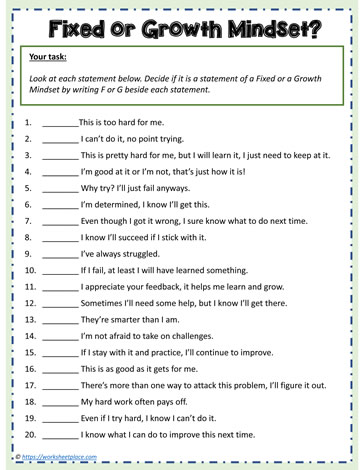
Free Growth Mindset Teaching Unit

G
rowth mindset is an important concept for students to understand and embrace as it allows them to approach learning and challenges with a positive attitude. Students with a growth mindset believe that their skills, knowledge, and abilities can be developed over time through hard work, dedication, and determination. This attitude helps students to become more resilient and better equipped to handle setbacks and failures. It also encourages a love of learning and a drive to improve, rather than a fear of failure and a focus on perfectionism. Growth mindset helps students to become more creative problem-solvers and more confident in their ability to develop their skills and reach their goals.
Some Strategies for helping your kids develop a growth mindset:
1. Model a Growth Mindset: One of the most important things you can do to help children develop a growth mindset is to model it yourself. Talk openly about challenges you have faced and how you overcame them. 2. Praise Effort and Progress: Instead of telling children they are smart or talented, emphasize the effort they put into their work. Praise them for the progress they have made, rather than the end results. 3. Challenge Them: Encourage children to take on challenges and to try new things. Let them know that it is okay to make mistakes and that failure can sometimes be a good learning opportunity. 4. Foster a Positive Environment: Create an environment where children feel safe to take risks and learn from mistakes. Create opportunities for them to build relationships with others and to develop their social-emotional skills. 5. Help Them Set Goals: Talk to children about their goals and help them come up with ways to reach them. Encourage them to break their goals into smaller, more achievable steps and celebrate their progress along the way. 6. Encourage Reflection: Help children develop their self-awareness and reflection skills by encouraging them to think about how they feel when they succeed or fail. Ask them questions to help them reflect on their experiences and learn from them.
For a completely free unit for students aged 8 - 15 on growth mindset, visit worksheetplace.com.


Reap the Benefits of Students Being Organized!


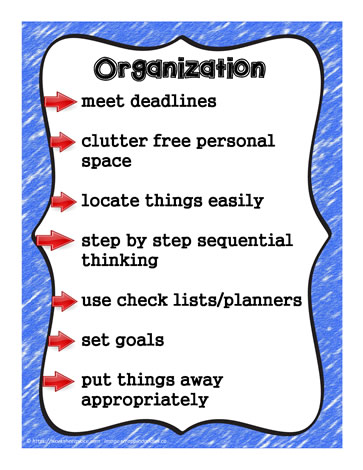
Worksheetplace.com has an abundance of activities to support students to be organized in the section on executive functioning skills. Here are the many benefits of helping your kiddo become organized. Head to the activities here and look for 'organization':
10 Organization Activities

1. Improved Time Management: Being organized allows students to manage their time more efficiently, which helps them to stay on top of their studies and complete assignments on time. 2. Improved Focus and Concentration: Being organized enables students to stay focused and concentrate on their studies without getting distracted. 3. Improved Academic Performance: Students who are organized often perform better academically as they are able to keep track of their assignments and deadlines, study more effectively, and keep their motivation levels high. 4. Stress Reduction: Being organized helps reduce stress as students dont have to worry about forgetting important tasks or deadlines, which can be very stressful. 5. Improved Self-Confidence: Being organized gives students a sense of accomplishment and also boosts their self-confidence as they feel in control of their studies and their life.

Journals and Planners for Kids for Google Apps

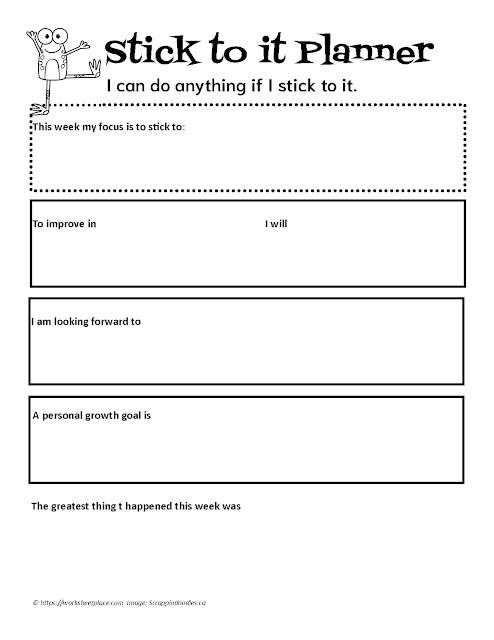
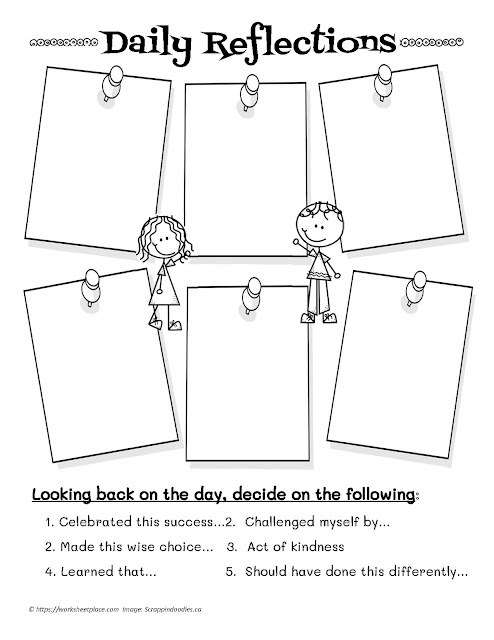
These journal and planner activities are suitable for kids in the 2nd to 4th grades. The activities have been developed for Google apps. Have students complete the activities day by day or a week by week as a planner vs as a journal entry. Using planners and journals with kids in a classroom is a great way to get them to think about their goals for the week (social, emotional, academic) and help with accountability. Journals are a great way to foster reflection and thinking about learning.
PDF Versions of kids planners and journals here.
Planners and journals for kids in google apps
Make st Stick Planner for Google Apps
Free Planners and Journals for Kids in Google Apps
Stick to it Planner for Google Apps
Daily Reflections for Google Slides
Daily Reflections for Google Apps
A Week at a Glance Planner for Kids
Planners for Teens in Google Slides
Weekly Planner for Google Apps


Weekly Planners for Kids in Google Apps
My Awesome Week (Girl)
Planners for Kids in Google Slides
My Awesome Week (Boy)


Towards Positive Behaviors

One of the things I hear over and over again from newer teachers is how difficult it is to manage the plethora of behaviors in today's classroom. Totally understandable! The classroom is full of challenging behaviors because every child has their own unique needs. With 20-30 students in a classroom and only one teacher, the task can be a daunting one.  
Free Behavioral Resources
Think about the parent who throws a birthday party for their child. They may have 10-12 children attend and the party may last about 2 hours or so. Not to mention, that birthday parties are motivating and fun events, yet, that parent is completely exhausted from the two hour party that has far less individuals in attendance than what a  classroom has. AND, the classroom is a place to learn and unlike the birthday party, unfortunately, many children don't want to be there. 
What do you do? First of all, I can't emphasize enough that you need to make a personal connection with every student. Secondly, a student should NEVER feel that you don't like them. Find the time throughout the week to learn a bit about each student and have that little one to one with them. A child who perceives that you like them doesn't want to let you down.
When you encounter an undesirable behavior, look for the root cause. Who was around? What might have provoked it? Are there underlying conditions? Is there a misunderstanding?  Is there something going on at home that is causing stress? Jumping in too harshly will often lead to worse behaviors. Have a one to one with the child to learn as much as you can about the situation. Never confront in front of others when ever is possible.

I have created a variety of resources that should help you. Everything from behavior contracts, to reflective think sheets, race to 10 motivational behavior modification resources and much, much more to help you be successful.

The Importance of Social Skills


Social Skills In the Classroom and Out 

Social Skills and Social Emotional Teaching are a large part of what teachers do on a daily basis.
Why is it, we take it for granted that all children know how to use appropriate social skills? The truth of the matter is that many of them need to be taught how to use appropriate social skills. Even more so with the prevalence of students with Asperger's on the increase. Social skills refers to the ability to act  and behave appropriately in a variety of social situations. It also means, reading and interpreting body language and facial expressions.

This week, I added a new category in worksheets, devoted to teaching social skills. It's just a start and I expect to add many, many more yet.
\
One of my favorite activities to do is to have the students role play with a group of students to show how to behave in social situations that present some difficulty.

Social emotional learning has always been a part of classroom teaching but there has never been such a need as there is now. Children are coming from broken homes, parents are often working more than one job and the first thing to go is social skills.

What Makes a Great and Happy Student?

Happy Students are More Productive Learners 

So, what makes students happy learners?  If you said high IQ or a healthy dose of 'the smarts', you'll be surprised to know that you didn't say what most teachers will say.
Print This Activity

Happy, successful and productive students are students who:
  • are intrinsically motivated (they don't need incentives or positive reinforcement to do their best)
  • show responsibility 
  • are able to think independently and solve problems with minimal intervention
  • persevere, these students have 'stick with it'ness'
  • possess good social skills
  • they have 'grit' (they handle pressure rather well)
Is it any wonder why so many educational jurisdictions are including social skills, character development and social emotional learning into their mandatory instruction or curriculum areas?

All too often, a child who doesn't do well academically will be lacking in persistence, responsibility, organization, or social skills.  If these traits improve, so will achievement. It's not rocket science that the two go hand in hand.

If you're looking for a few printables to support social emotional growth or social skills, be sure to make good use of the following:
If you have further suggestions for embedding good social development and character traits into your teaching, we'd love to hear from you.

Have a great week educators.